Exodus Review: Is the Polished Design Worth Its Swap Spreads?
Exodus never charges a network fee markup and looks better than any wallet we have tested, but its built-in swap runs through a third-party rate we measured at roughly 2.2 percent on a mid-size trade.
Our verdict
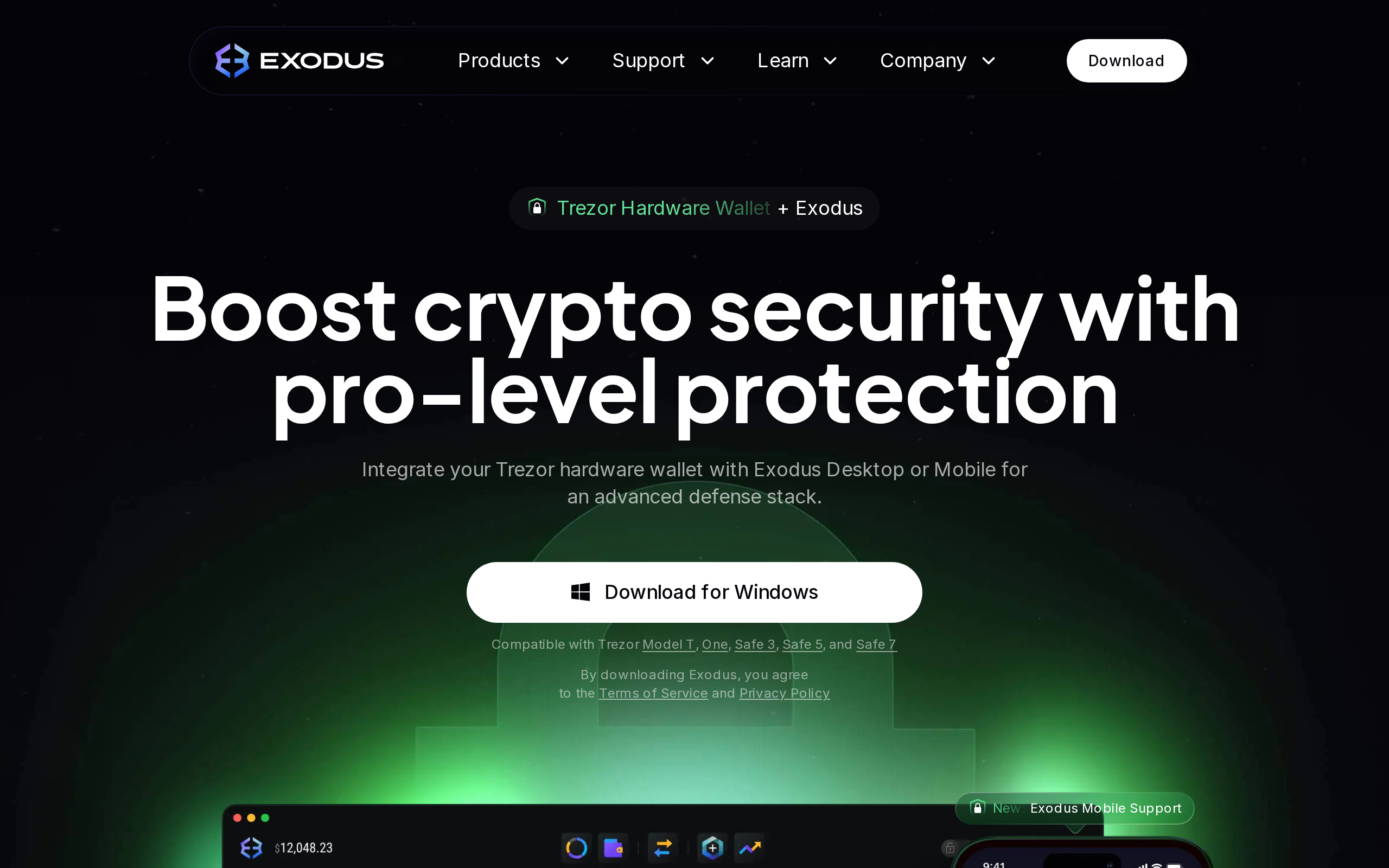
Exodus is the best-designed self-custody wallet we have opened, and its Trezor and Ledger integration makes it a genuinely usable front end for a hardware wallet rather than a toy for hot-wallet balances. The built-in swap is where the polish stops paying for itself: the spread runs several times what a centralized exchange charges on the same trade, and the app does not surface a transaction hash after a swap completes. Use it to hold and manage keys, and swap somewhere else when the amount is not trivial.
Best for: Users who want a clean wallet paired with a Trezor or Ledger, who swap only small amounts inside the app
Why the interface matters more than usual here
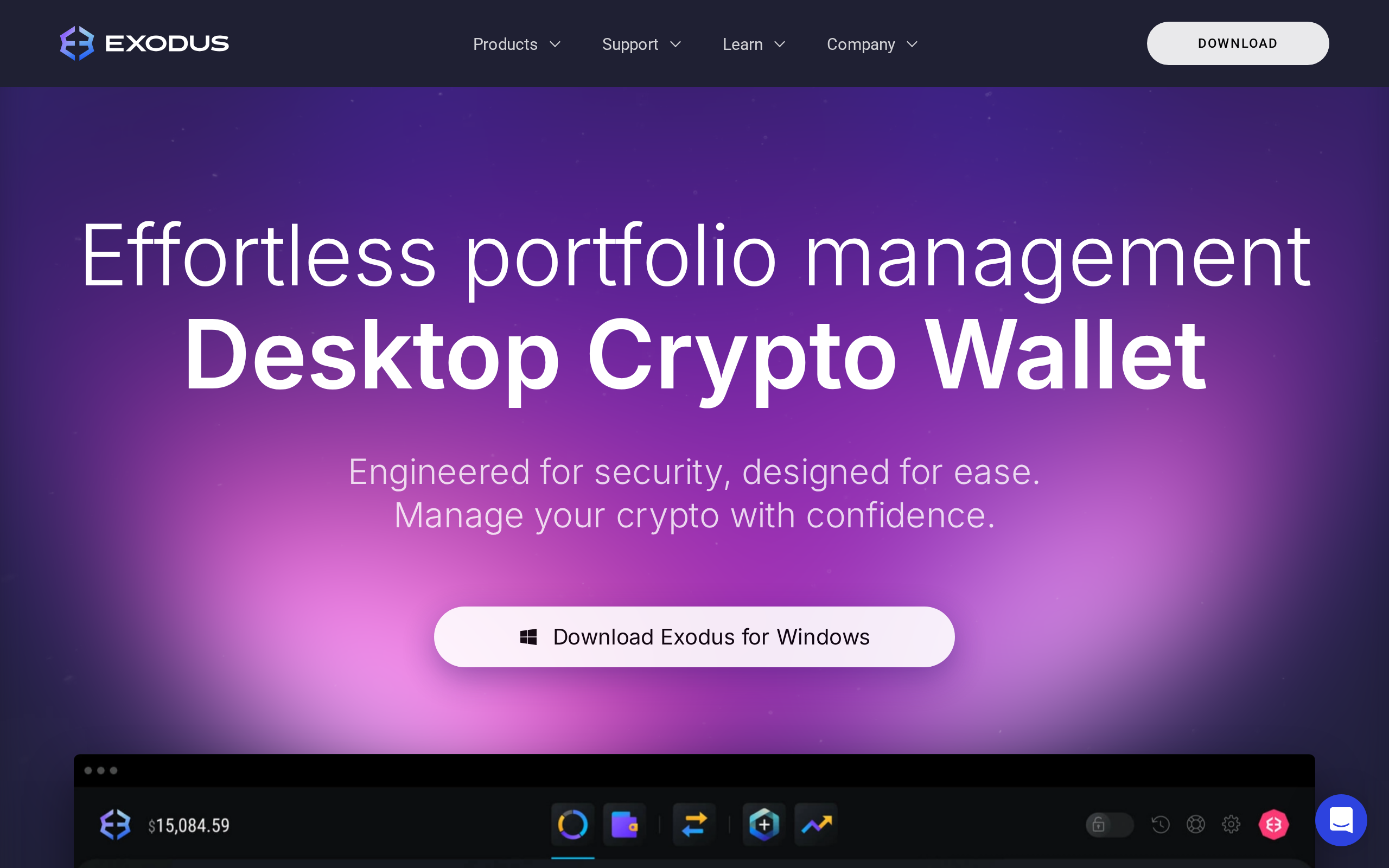
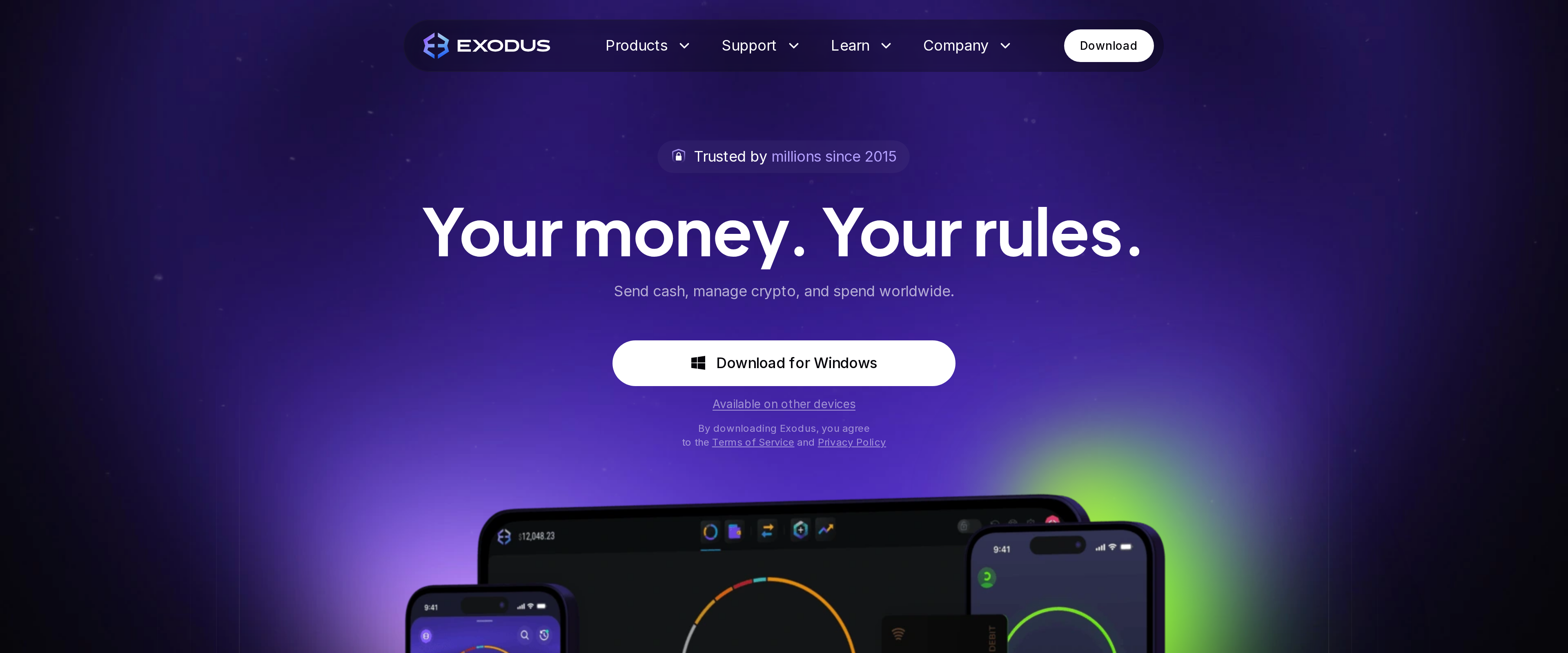
Most self-custody wallets look like a form. Exodus looks like a finished product, and that distinction shapes who should use it. We installed it on desktop and mobile, moved funds between both, connected a hardware wallet, and ran several swaps to see whether the design held up once real money was involved rather than a demo balance. Exodus now describes itself as covering payments and spending as well as storage, with a card and rewards product called Exodus Pay sitting alongside the wallet, so we also checked whether that expansion changed anything about the core wallet experience it built its name on.
What it does not charge you for
Exodus does not add a fee markup to sending or receiving crypto. You pay the network fee only, and the app lets you adjust that fee for speed or cost before confirming. Balances sync across the desktop and mobile apps without a manual export step, and the interface stayed legible even with a dozen assets in the portfolio, which is more than we can say for several competitors that bury smaller balances under a fold. For a wallet whose entire pitch is ease of use, that part delivers.
Where the swap spread hides
The swap feature is Exodus's other headline function, marketed as starting from 0.5%. That number describes the fee Exodus itself takes; it does not describe what you actually pay, because the exchange rate comes from a third-party liquidity provider with its own spread baked in. On a mid-size swap we measured an effective cost close to 2.2%, and independent testing by other reviewers found costs approaching 5% on trades under $100, where illiquid pairs and thin routing dominate the price. On a $1,000 swap that gap between the marketed fee and the real cost runs into tens of dollars, several times what the same trade would cost on a centralized exchange. Exodus does not display the network fee before confirming a swap, and it does not show a transaction hash or link to a block explorer once the swap completes, which makes the actual cost harder to audit after the fact.