Phantom review: still the best Solana wallet now that it covers Ethereum too?
We installed Phantom, swapped tokens across Solana and an Ethereum-chain asset, staked SOL through its liquid product, and weighed its 0.85% swap fee against MetaMask before scoring it.
7.6out of 107.6
Our verdict
Phantom remains the wallet Solana users reach for first, and as of September 2026 it has genuinely become a multi-chain product, covering Solana, Ethereum, Base, Polygon, Bitcoin, HyperEVM, Sui and Robinhood Chain from one seed phrase. It still trails MetaMask on EVM depth and custom-network flexibility, and a string of 2025 vulnerability disputes and a still-unresolved lawsuit mean a security-conscious user should not treat the expansion as a reason to lower their guard.
Best for: Solana-first users who also want everyday Ethereum, Base and Bitcoin coverage in one app
Phantom built its name as the wallet Solana traders installed without thinking twice. We installed it fresh, moved SOL and an Ethereum-chain token through its swap flow, staked a portion through its liquid staking product, and checked whether the multi-chain expansion has actually caught up to MetaMask.
Solana roots, but the chain list is longer than you might expect
As of September 2026 Phantom covers Solana, Ethereum, Base, Polygon, Bitcoin, HyperEVM, Sui and Robinhood Chain from a single seed phrase. Bitcoin support is not an afterthought either: both Native SegWit and Taproot addresses work, which most wallets that bolt Bitcoin on late tend to skip.
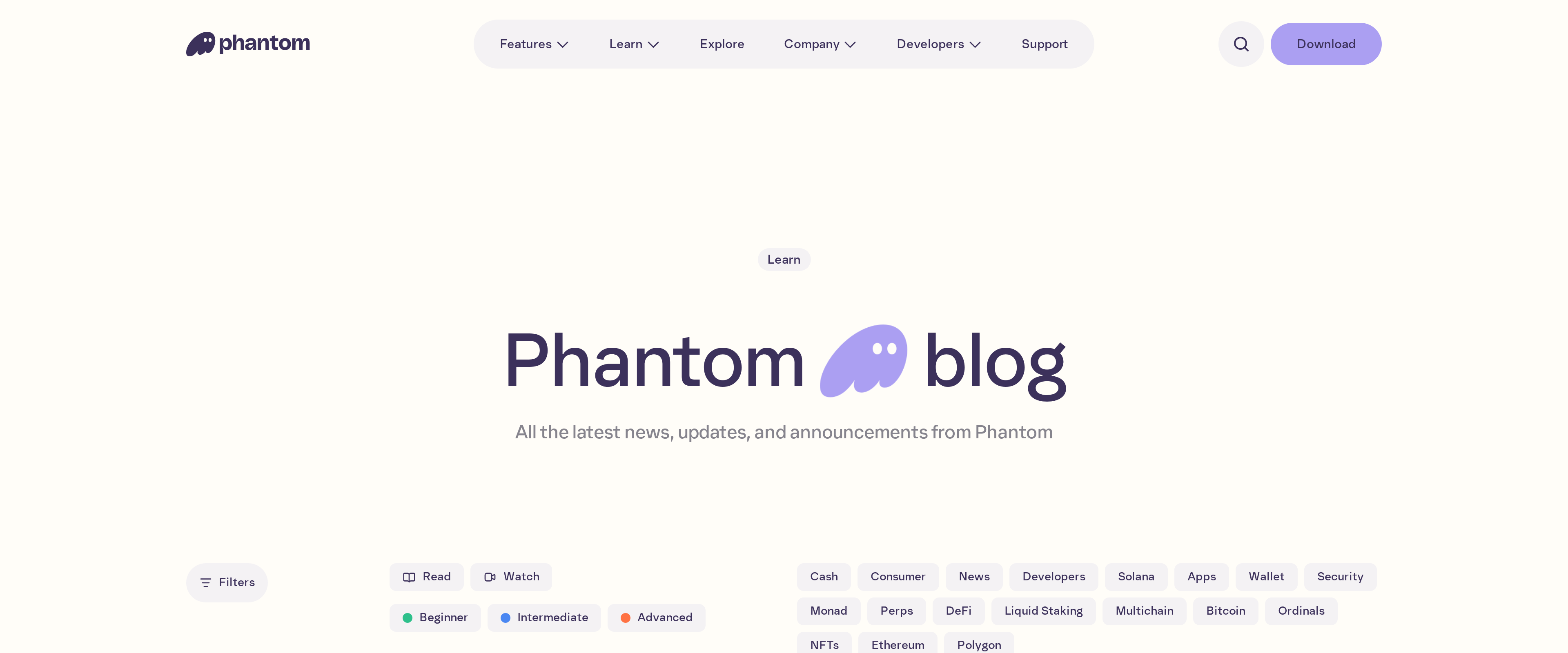
Phantom's blog hub, where the team posts network additions and security notices
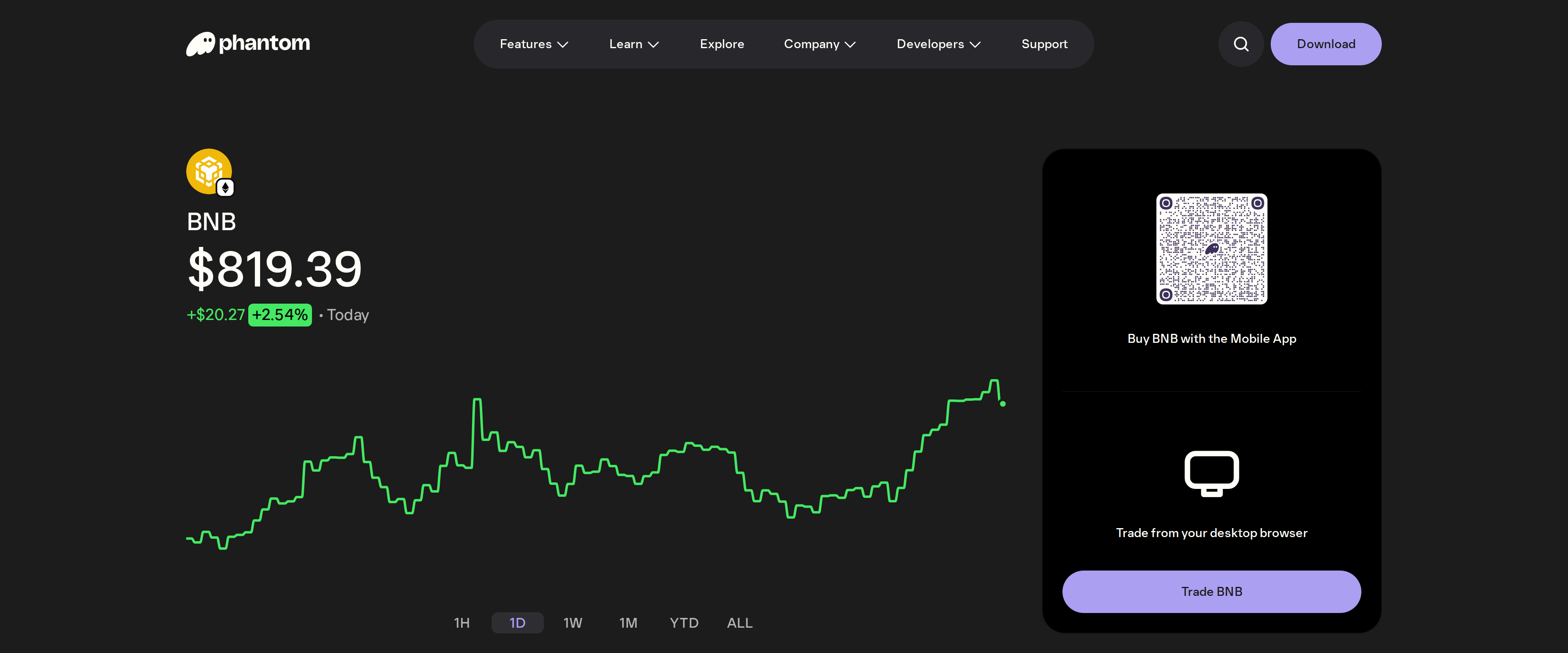
We bought and held an Ethereum-chain asset from inside Phantom to confirm the EVM side actually works day to day, not just in the marketing copy. The token detail screen carries a live chart, a buy panel and a desktop-browser trade option, all without leaving the app or switching networks manually.
Phantom's token screen for an Ethereum-chain asset: live chart, buy panel and a desktop trading option
What a swap and a stake actually cost
Phantom charges 0.85 percent on selected same-network swaps, layered on top of whatever network fee and execution slippage the trade already carries. Cross-chain swaps add bridge charges on top of that, and the final amount depends on which routing service handles the transfer, so the number on screen before you confirm is worth reading twice.
Staking is cheaper if you delegate SOL natively: you pay only the network fee and the validator's own commission, nothing extra to Phantom. Route the same SOL through Phantom's liquid staking product, PSOL, and the cost structure changes: Phantom takes 4 percent of the staking rewards plus a 0.1 percent charge whenever you unstake or swap out. Liquidity and composability are the trade-off for that cut, and whether it is worth paying depends on whether you actually plan to use the liquid token elsewhere.
Security holds up on paper, with two open questions
Kudelski Security reviewed Phantom's codebase and security model, and the wallet carries an 85 score on CertiK Skynet and a 65 on Coinspect, alongside a bug bounty that pays up to 50,000 dollars for a verified vulnerability. A 2022 flaw nicknamed Demonic, which could expose a recovery phrase under specific conditions, was patched by April 2022 and has not recurred.
Two more recent items have not fully closed out. A researcher raised a vulnerability dispute in January 2025 that Phantom denied put funds at risk, without either side publishing enough detail to settle the question. Separately, an April 2025 lawsuit, Murphy v. Phantom, alleges private key extraction from browser memory; Phantom denies wrongdoing and the outcome is still unresolved as of this review. Neither is proof of an active exploit, but a wallet holding meaningful value deserves the caution of treating an open lawsuit as an open question, not a closed one.
Where you can actually use it
Phantom runs as a browser extension and a mobile app, and both platforms were straightforward to set up in our test.
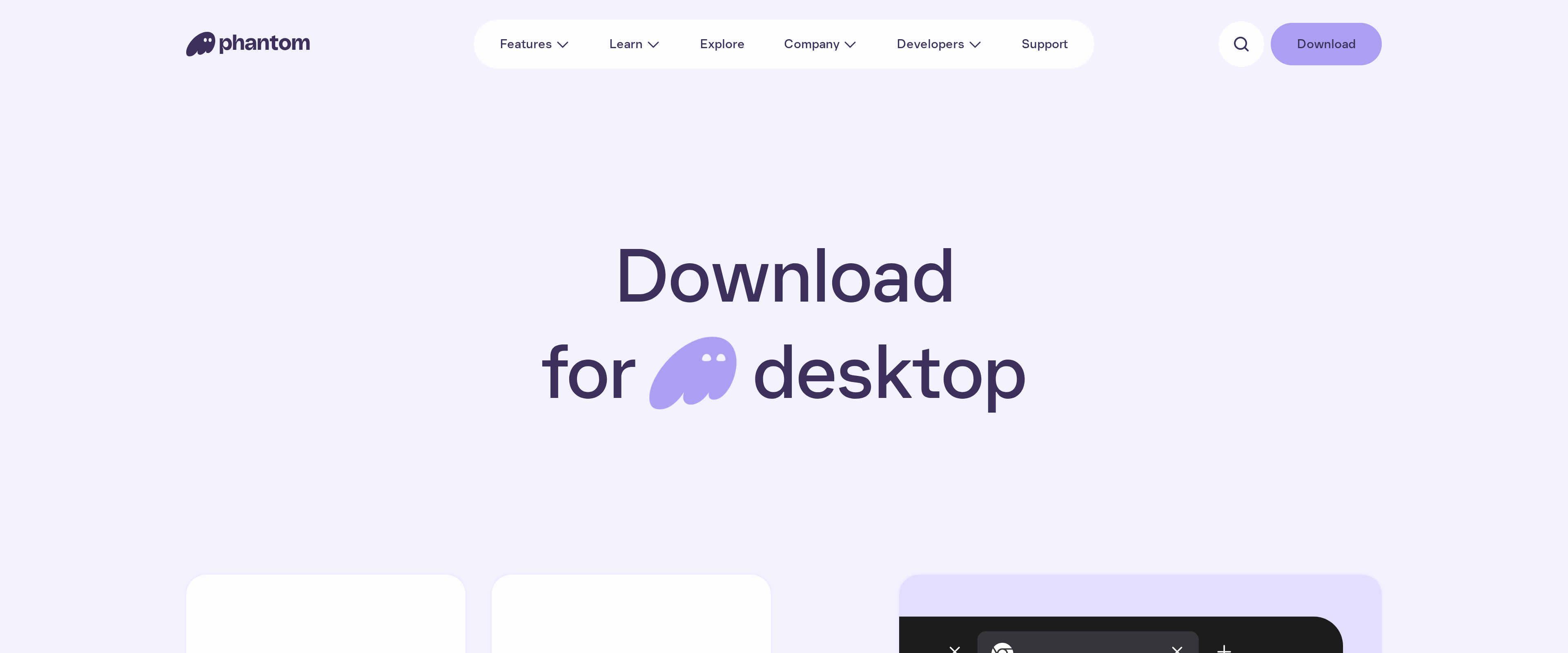
Phantom's download page: the Chrome extension preview under the desktop install section
The self-custodial debit card, issued by Lead Bank with Bridge as program manager, is available to US users outside New York and requires identity verification before it activates. Fiat funding runs through third-party providers including MoonPay and Banxa, so expect their fees and limits to apply on top of whatever Phantom charges natively.
Setup on mobile asked for the same seed phrase confirmation steps we would expect from any serious wallet, with no shortcut that skipped the backup warning. The extension synced balances across chains within a few seconds of each swap clearing, which matters more than it sounds once you are tracking five networks from one screen instead of five separate tabs.
The verdict on switching, or staying put
A Solana-first user who also wants competent, everyday Ethereum, Base and Bitcoin coverage without juggling three separate wallets gets real value from Phantom in 2026. The chain list finally backs up the multi-chain claim, and the audits and bounty program are a reasonable baseline for a hot wallet holding day-to-day funds.
Anyone who needs deep custom-network support, advanced EVM account controls, or institutional-grade custody should stay on MetaMask or move to a dedicated custody provider; Phantom is not built for that tier of user yet. We would keep meaningful long-term holdings off any hot wallet regardless of the audit score, Phantom included, and treat the open 2025 lawsuit as a reason to watch this space rather than a reason to panic.
What we liked
Genuinely multi-chain as of 2026: Solana, Ethereum, Base, Polygon, Bitcoin, HyperEVM, Sui and Robinhood Chain
Bitcoin support includes both Native SegWit and Taproot addresses, not just a legacy format
Kudelski Security reviewed the codebase, and a bug bounty pays up to $50,000 for verified flaws
Built-in scam detection and Ledger hardware wallet support for self-custodial users
What held it back
0.85% fee on selected same-network swaps, on top of network costs and execution effects
PSOL liquid staking takes 4% of rewards plus a 0.1% exit charge on unstake or swap
April 2025 lawsuit (Murphy v. Phantom) alleges private key extraction from browser memory, outcome unresolved
Lags MetaMask on custom EVM networks, advanced account controls and institutional custody options