1inch review: does routing beat a plain Uniswap swap once gas is counted?
1inch splits a trade across dozens of pools to chase a better rate, but that routing has its own gas cost. We ran swaps at three sizes, checked Fusion's gasless mode, and worked out the exact trade size where the aggregator stops being worth the extra hop.
Our verdict
1inch's Pathfinder routing genuinely beats a single-pool Uniswap swap on trades above roughly $1,000, where splitting an order across multiple pools saves 0.5 to 2 percent net of gas. Below $200, the extra routing complexity can cost more in gas than it saves, and a direct Uniswap swap is simpler and just as cheap. Fusion mode's gasless, MEV-protected execution is the standout feature for anyone tired of paying network fees on every swap, but two resolver-side exploits since 2025 are a reminder that the safety net sits on infrastructure you do not control.
Best for: Traders moving $1,000 or more per swap who want the best rate without shopping five DEXs manually
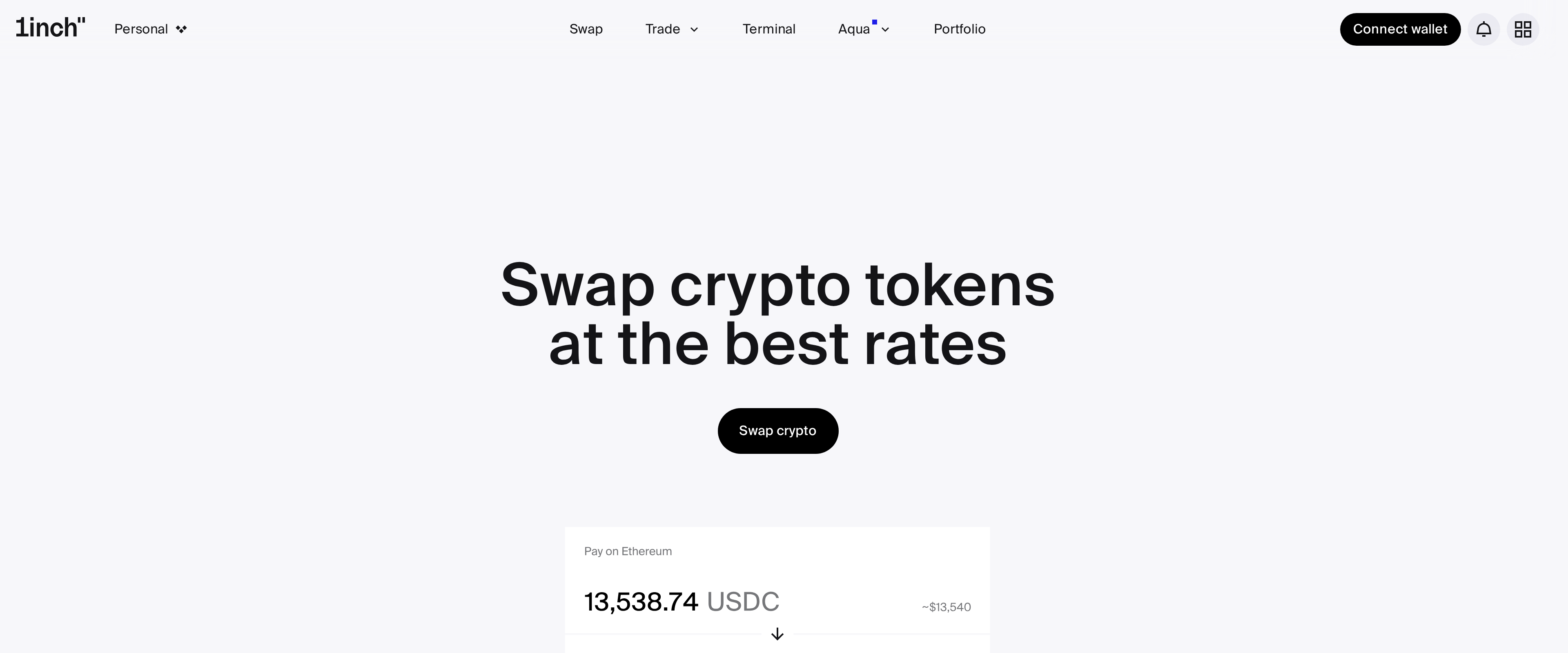
A direct Uniswap swap goes through one pool. 1inch's whole pitch is that splitting the same order across several pools finds a better price. We ran three swap sizes to find out whether that split actually beats the simple version once you pay for the extra routing.
1inch has run as a public aggregator since 2019 and now sits alongside Jupiter, Matcha and CoW Swap as one of the names people default to when a wallet interface asks which DEX to route through. That default status earns real trust, but trust is not the same as a guarantee that the number on screen is the best one available for your specific trade.
What Pathfinder actually does
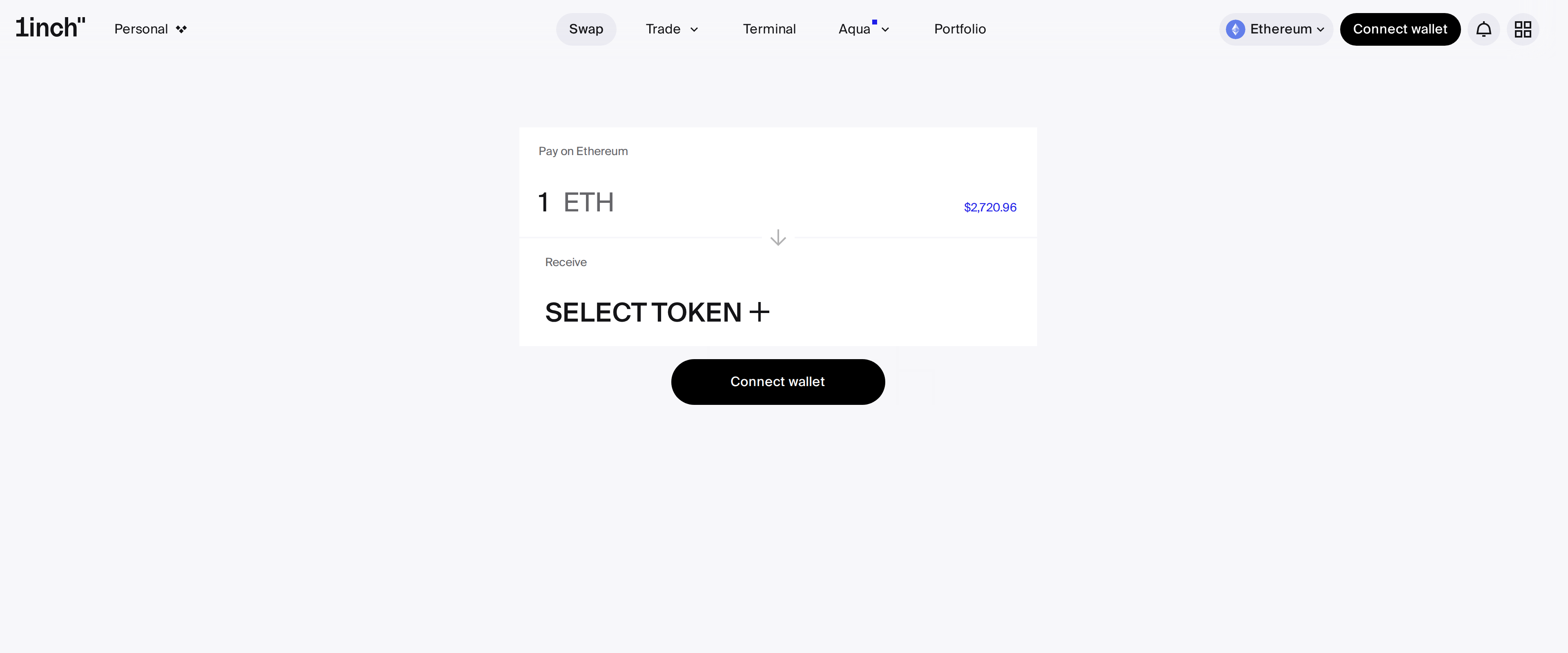
1inch's routing engine, called Pathfinder, scans liquidity across dozens of pools and DEXs, then splits a single order across however many of them produce the best blended price. That routing itself costs gas: more contract calls than a single Uniswap swap, which means the aggregator's advantage has to clear a threshold before it is actually an advantage.
Independent testing puts that threshold around $1,000. Above it, split routing regularly saves 0.5 to 2 percent net of gas compared to a single-pool trade. Below roughly $200, the math flips: a straightforward Uniswap swap frequently costs less overall because it skips the routing overhead entirely. Between those two points, the gap narrows to noise, and which platform wins depends more on gas prices at that exact moment than on the trade itself. On a $5,000 swap during a quiet gas period, we saw 1inch quote a rate that beat Uniswap's pool price by close to 1 percent even after its own contract overhead, matching what the independent figures suggested.