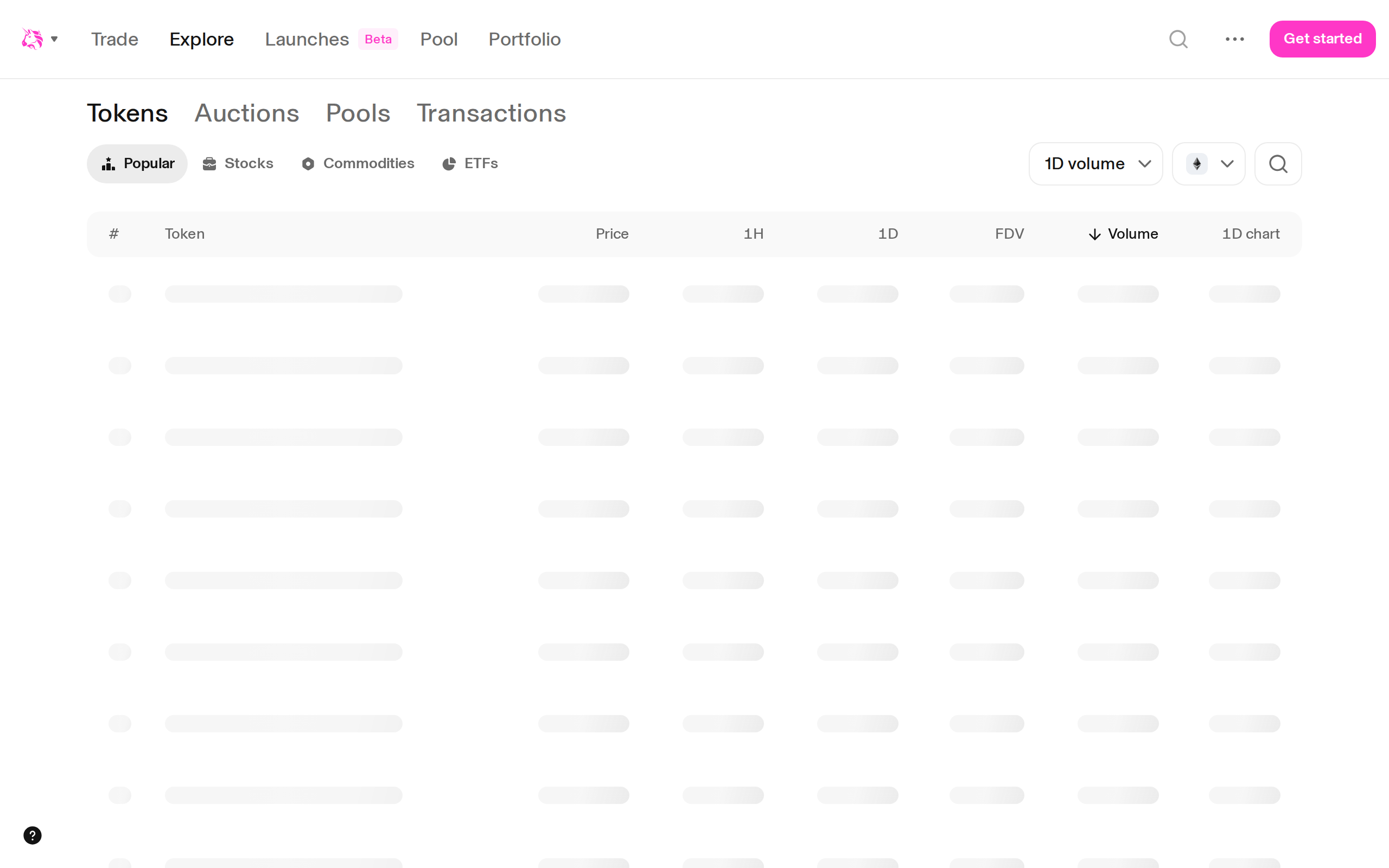
Uniswap review: what a swap on the biggest DEX really costs
We ran ETH into USDC and back through Uniswap's own app, added liquidity, and tracked every line item: pool fee, price impact, gas and the 0.25 percent charge Uniswap Labs adds on top.
Our verdict
Uniswap remains the deepest, most reliable liquidity on Ethereum and its Layer 2s, and its app is the easiest way to reach that liquidity safely. The 0.25 percent fee Uniswap Labs adds on top of pool and gas costs is real money on a large trade, and a trader who cares about the last basis point should route through a different front end to the same contracts.
Best for: Occasional traders who want deep self-custody liquidity and a polished, audited app
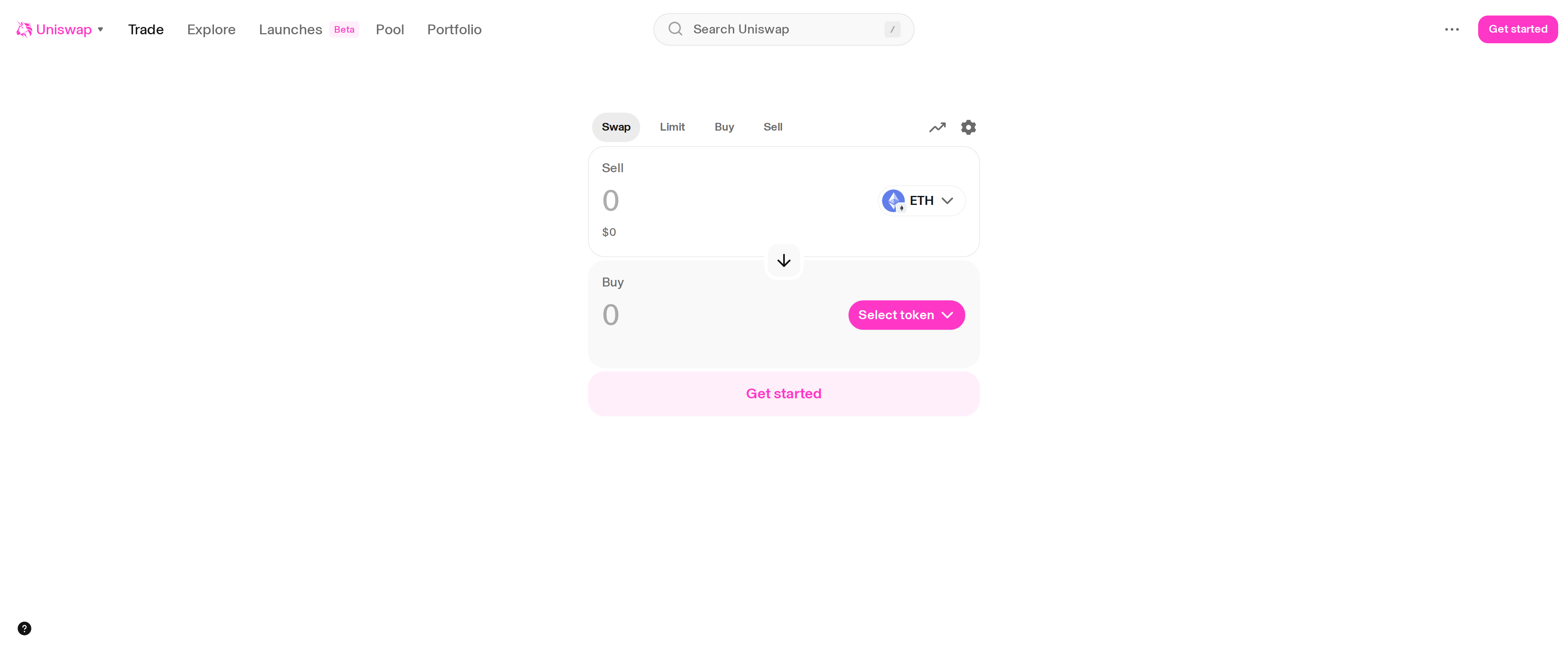
Uniswap is the reason "just swap it" sounds simple. We connected a wallet, moved ETH into USDC and back, then supplied a small position to a pool, to see what the simple version actually costs once every fee is on the table.
The screen hides three separate charges
Open the swap card and you see one number: how much USDC you get for your ETH. Behind that number sit three costs stacked on top of each other. The pool itself charges a fee set per pair, often between 0.01 percent on stable pairs and 1 percent on volatile long-tail tokens. Ethereum charges gas to execute the trade. And Uniswap Labs, the company behind this particular app, adds its own 0.25 percent on most swaps routed through app.uniswap.org, a rate raised from an initial 0.15 percent shortly after the fee first appeared.
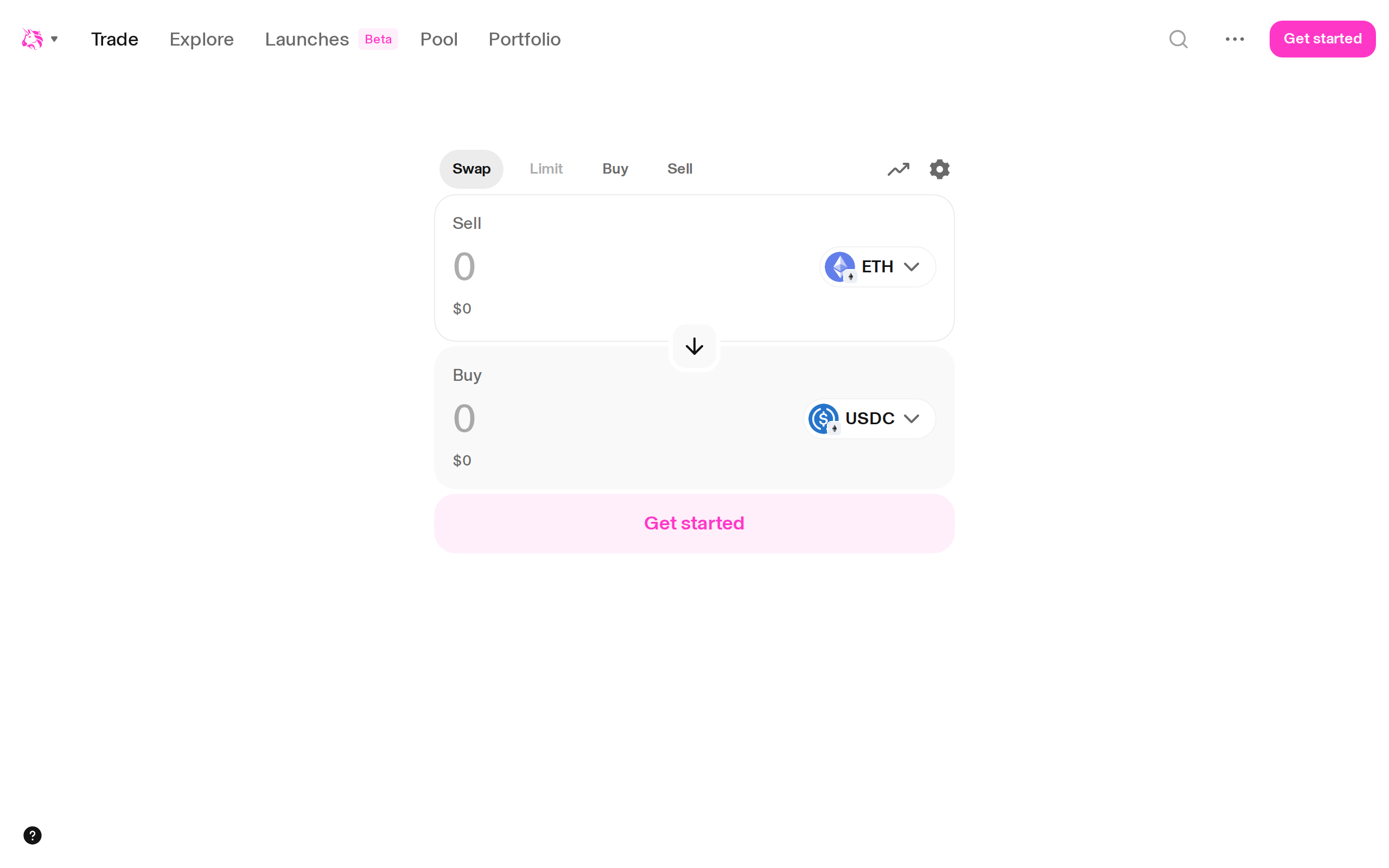
None of that is hidden exactly, but none of it is broken out by default either. A trader moving $50 barely notices 0.25 percent. A trader moving $50,000 loses $125 to that single line before the pool fee or gas even enter the picture.
Stablecoin swaps quietly skip the interface fee
We ran a USDC to USDT swap specifically to check the exemption the company advertises, and the fee did not appear on that trade or on a plain ETH-wrapping transaction. Every other pair we tested carried the 0.25 percent charge. That distinction matters for anyone assuming the fee is a flat tax on using the app: it is not, and knowing which trades are exempt is the easiest way to route around unnecessary cost without leaving the interface at all.
UniswapX took the gas line off our receipt
For several of our swaps, the app quoted execution through UniswapX rather than a direct on-chain transaction, and we paid no separate gas fee for those fills. UniswapX works by turning the swap into a signed intent that market makers compete to fill, rather than a transaction sitting in Ethereum's public mempool. That also closes the door on the sandwich attacks that used to pick off mempool-visible swaps, since there is no pending transaction to front-run in the first place.